Water Leak Repair in Tucson, AZ
A dripping supply line, a weeping fitting, a hose bib that will not stop, or a wet spot by the water heater. Get connected with local plumbers who repair pipe leaks you can see and reach.
Call (520) 654-1036Have your ZIP code ready when you call.
Call 24/7. You are connected with independent local plumbing pros serving Tucson and Pima County.
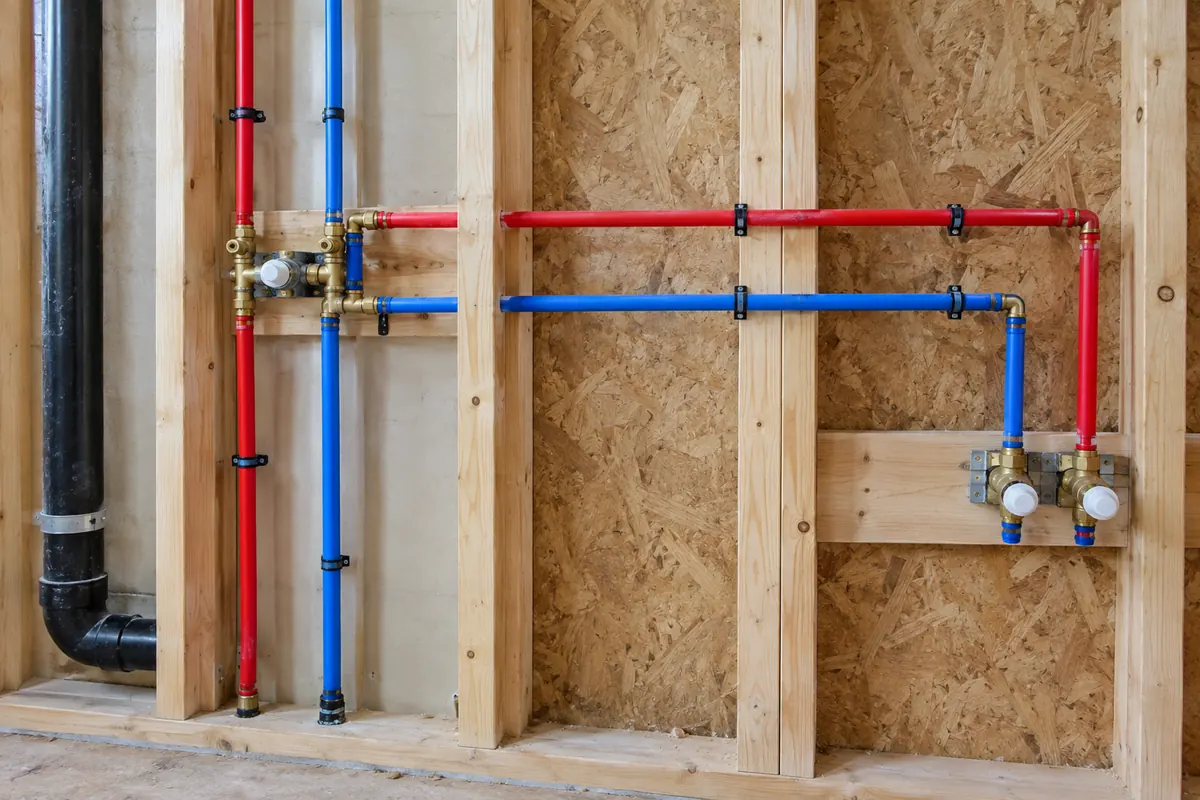
Illustration - not a local job or provider photo
What to do first when you find a leak
- Stop the water. Close the small shutoff valve on the fixture supply line if there is one: under the sink, behind the toilet, or behind the washer. If the leak is on a pipe with no nearby valve, close the main shutoff.
- Find your main shutoff. In many Tucson homes the main house shutoff is outside where the line enters the house, often near a front hose bib or in the garage. The meter box near the street also has a valve, but the meter side belongs to the water utility, so use the house valve when you can.
- For a water heater leak, close the cold water valve on top of the tank. For gas units, set the control to pilot or off; for electric units, switch off the breaker before anyone works on it.
- Protect the area. Move belongings, towel up standing water, and put a bucket under the drip. If electrical outlets or devices are wet, keep away and shut off power at the panel only if you can reach it safely.
- Take photos of the leak and any wet materials for your records and your insurer.
- Call a plumber to repair the leak. If water has already soaked drywall, cabinets, or flooring, plan for drying too. See water damage restoration in Tucson.
Common leak repairs in Tucson homes
Fixture supply lines
The short flexible lines that feed faucets, toilets, ice makers, and dishwashers are a frequent leak source. Braided stainless lines can corrode or fray, and older plastic or rubber lines can crack with age. Repair is usually replacing the line and, if it will not fully close, the angle stop valve it connects to.
Fittings and joints
Leaks show up at threaded joints, compression nuts, push-fit connectors, and soldered copper joints. A plumber will reseal, re-solder, or cut out and replace the joint. Green or white crust on a copper fitting is a common sign of a slow leak that has been evaporating in dry Tucson air.
Hose bibs and outdoor spigots
Outdoor faucets get constant sun, hard water, and heavy summer use. Worn washers and packing cause drips at the spout or handle. Tucson does see occasional hard freezes, such as the February 2011 freeze that burst pipes across the city, and a split behind a hose bib can leak inside the wall when the faucet is turned on.
Water heater lines and valves
Flex connectors, the cold shutoff valve, and the temperature and pressure relief valve can all drip. Hard water scale can keep a relief valve from seating. A fitting or valve leak can often be repaired on its own; a leak from the tank body usually cannot.
Irrigation and drip lines
Most Tucson yards run on drip irrigation. Leaks happen at emitters, tubing, valve manifolds, and the backflow preventer, and buried lines can be damaged by roots or digging. A soggy patch, a plant that is suddenly thriving, or a meter that moves when the house is quiet are common clues.
Exposed and accessible pipe runs
Pipes in the garage, under cabinets, in the attic, or in a wall opened through an access panel can usually be repaired by cutting out the damaged section and splicing in new pipe. Pinhole leaks on old copper may lead the plumber to recommend replacing a longer run.
Hard water and pipe materials in Tucson
Hard water wears on valves and fittings
Tucson Water describes its supply as hard to very hard, and hardness has risen as more Central Arizona Project water is blended in. Scale builds up inside faucet cartridges, toilet fill valves, shutoff valves, and water heater valves. Parts that cannot seal cleanly start to drip or weep. When a plumber repairs one leak, ask whether nearby valves show the same buildup.
Copper
Many Tucson homes built from the 1950s through the 1990s were plumbed in copper. Over decades, copper can develop pinhole leaks. One pinhole on an exposed line is usually a simple cut-and-splice repair; several pinholes on the same line suggest the pipe is wearing out.
Polybutylene
Homes plumbed from about 1978 to 1995 may have polybutylene, a gray plastic pipe with a nationwide record of failure, often at its fittings. Plumbers usually recommend replacing it rather than repairing it piece by piece.
Galvanized steel
Some older homes still have galvanized steel supply pipe, which corrodes from the inside. Low pressure and rusty water often come with leaks at threaded joints.
PEX and CPVC
Newer homes and many repipes use PEX. Leaks on PEX are most often at fittings or where the pipe was damaged. CPVC can become brittle with age and heat, so ask how attic and exterior runs are protected from Tucson summer sun and heat.
Exposed pipe leak or slab leak?
Likely an accessible leak
- You can see water dripping from a line, valve, or fitting
- The wet spot is under a sink, behind a toilet, near the water heater, or outdoors
- Closing a single fixture valve stops the leak
This is the kind of repair this page covers.
Possibly a slab leak
- A warm or damp spot on the floor with no fixture nearby
- The sound of running water with every fixture off
- The water meter keeps moving with everything closed
Start with slab leak detection, then compare slab leak repair options.
Leak you cannot find
- A high water bill with no visible drip
- Stains on a ceiling or wall
- A musty smell in a closet or cabinet
See leak detection in Tucson for how hidden leaks are found before repair.
How to check your water meter for a leak
Turn off every faucet, appliance, and irrigation controller. Open the meter box lid and look at the low-flow indicator, usually a small dial or triangle on the meter face. If it is turning, water is flowing somewhere. Next, close the house shutoff valve. If the indicator stops, the leak is inside the house or on the house side of that valve. If it keeps moving, the leak may be on the line between the meter and the house.
Questions to ask the plumber
- What exactly failed: the line, the fitting, the valve, or the pipe itself?
- Is the rest of this line in good shape, or are more leaks likely nearby?
- Will any wall or ceiling need to be opened, and is patching included or excluded? Ask for that in writing.
- Should any old shutoff valves be replaced while the water is off?
- What warranty applies to the parts and the work?
- Verify the contractor's license with the Arizona Registrar of Contractors before work begins.
Related Tucson leak guides
- Leak detection in Tucson: finding hidden leaks in walls, ceilings, yard lines, irrigation and pools.
- Slab leak detection in Tucson: confirming and pinpointing a leak under a concrete slab.
- Slab leak repair in Tucson: spot repair, reroute, or repipe for leaks under the slab.
- Water damage restoration in Tucson: extraction and drying when water has already spread.
- Tucson-area service areas: towns and ZIP codes across Pima County.
Water damage restoration by town: Oro Valley, Marana, Sahuarita, Vail, Green Valley, Catalina Foothills
Frequently Asked Questions
What counts as a water leak repair rather than a slab leak repair?
A water leak repair fixes a leak you can reach without breaking concrete: a supply line under a sink, a fitting behind an access panel, a hose bib, a water heater connection, or an irrigation line. If the leaking pipe runs inside the slab, see the slab leak repair guide instead.
Should I shut off the main water if a pipe is leaking?
If the leak is spraying, pooling, or you cannot isolate it with a fixture shutoff valve, closing the main shutoff is the safest first step. For a single toilet, faucet, or appliance, the small shutoff valve on that supply line is often enough.
Can a leaking braided supply line be tightened instead of replaced?
Sometimes a loose connection only needs snugging, but a supply line that is bulging, kinked, corroded, or has a frayed braid is usually replaced. Many manufacturers list a recommended replacement interval on the packaging.
Why do Tucson faucets and valves leak so often?
Tucson Water describes its water as hard to very hard. Mineral scale builds up on cartridges, washers, and valve seats, which can keep them from sealing fully and lead to drips and weeping valves.
Is a leaking water heater line the same as a failing tank?
Not always. A drip at the cold or hot connection, the flex connector, or the shutoff valve is often a fitting repair. Water coming from the tank body itself usually means the tank needs replacement. A plumber can tell the difference.
Does a drip irrigation leak need a plumber?
Small drip tubing and emitter leaks are often a do-it-yourself fix. A leak at the backflow preventer, the main irrigation valve manifold, or the buried supply line from the house is usually work for a plumber or irrigation contractor.
Talk to a local plumber now
Nights, weekends, and monsoon storms included.
Call (520) 654-1036Have your ZIP code ready when you call.